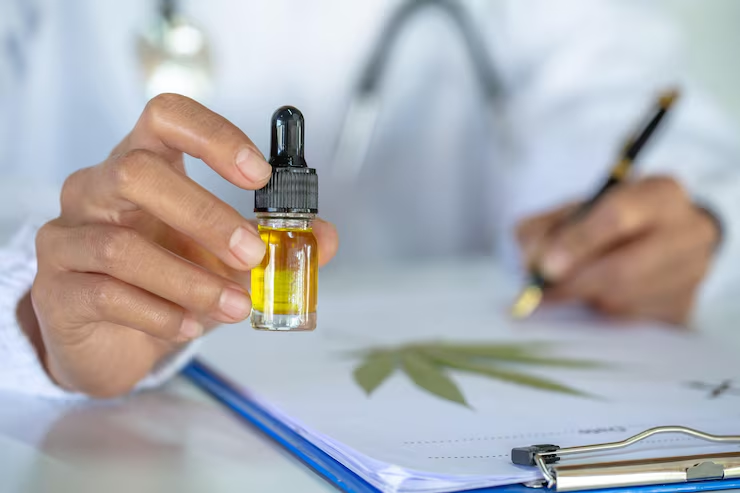
Walking into the CBD shopping without knowledge leads to poor choices. Dozens of product types line virtual shelves, each claiming superiority. read more here when researching beginner options that actually make sense. Isolates, full spectrum, broad spectrum, different strengths. The terminology alone confuses people before they even make a purchase. Knowing which category fits your situation saves both money and disappointment down the line.
- Isolate provides a simple starting
Pure CBD isolate strips away everything except cannabidiol itself. Processing removes all other hemp compounds completely. No THC. No additional cannabinoids. No terpenes left behind. You get CBD in its most concentrated, isolated state. This simplicity helps newcomers tremendously. Taking an isolate means one variable enters your body instead of dozens. If reactions occur, you know CBD caused them rather than guessing about other ingredients. People worried about workplace drug tests prefer isolating because even tiny THC traces disappear during refinement. Some tests are sensitive enough to flag 0.3 percent THC from full-spectrum products. Isolate eliminates that risk.
- Full spectrum offers a complete profile
Everything the hemp plant creates naturally stays in full-spectrum oil. It contains CBD, CBG, CBN, terpenes, flavonoids, and trace THC under 0.3 percent. These compounds interact in ways that many users find more effective than isolate alone. Beginners face challenges with the full spectrum, however. Multiple compounds make pinpointing specific reactions difficult. Was it the CBD? The CBG? Some terpene combination? You won’t know. The tiny THC percentage won’t produce a high, but it exists. Drug testing concerns become valid again. Full spectrum generally costs more too. Less processing means higher production expenses passed to consumers. Experienced users often swear by it. First-timers might find it overwhelming.
- Broad spectrum splits the difference
Broad spectrum keeps multiple cannabinoids and terpenes while removing THC completely. You capture some entourage benefits without THC worries. This middle ground attracts beginners who want more than bare isolate but need THC eliminated. Manufacturing this type requires extra steps that increase cost. Companies extract full-spectrum oil first, then specifically remove THC while preserving other compounds. The process is delicate. Poor execution damages beneficial terpenes and minor cannabinoids during THC removal. Cheap broad-spectrum often means sloppy processing. Quality varies wildly between brands here more than with isolate or full spectrum. You’re gambling on manufacturing competence when buying a broad spectrum from unknown companies.
Strength selection matters greatly
Bottle concentration determines the actual CBD delivered per dose. Labels show total milligrams. Common ranges run from 250mg up past 10,000mg. New users need low concentrations regardless of the oil type chosen.
The standard 30ml bottle of 500mg gives about 16mg per dropper. That’s reasonable for most first-timers. Consider these ranges:
- 250mg to 500mg handles mild daily tension
- 750mg to 1000mg addresses moderate concerns
- 1500mg and higher targets serious issues
- Anything above 1000mg for beginners is excessive
Increasing doses later is easy. Starting too high wastes product and risks unwanted drowsiness. Many newcomers assume the strongest equals the best. Wrong thinking. Bodies need adjustment time regardless of concentration. A lower strength allows a gradual increase based on experience. This isn’t a competition.